



INEOS PHENOL ACETONE · CAS 67-64-1 · UN 1090
Ineos Acetone, 99.9% Assured
Bulk acetone produced on INEOS Phenol's cumene-integrated route — chemical, low-water, food-sector and pharma grades, loaded in ISO tanks, drums and IBCs with batch-level documentation.
Request a QuotationFOB / CIF / CFR · ISO tank, 200 L drum, 1000 L IBC
One product focus
Acetone grades, not a mixed catalogue
Specification-first quoting
Grade, water limit, packaging, port
Pre-shipment inspection
Seal record on every container
Technical replies
From people who read the COA, not just the price sheet
About Us
About Ascent Group
Ascent Group Co., Ltd is the supply partner behind this page: one product, Ineos acetone, held to one specification, delivered on one set of documents.
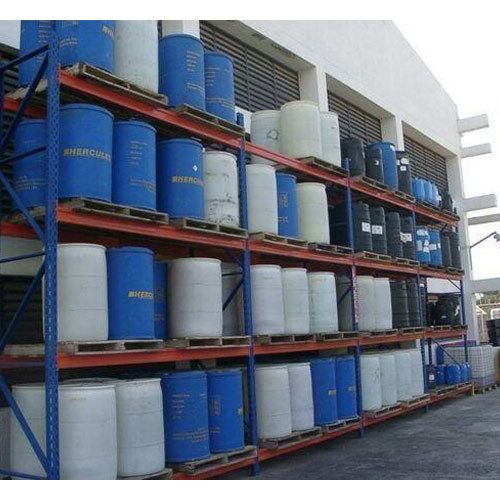
Acetone is the only product we carry on this page, and that focus shapes how we work. Every lot we quote is produced on INEOS Phenol's cumene-integrated phenol/acetone route and released against the INEOS specification, with ASTM D329 as the reference framework for technical grade. Because acetone arrives as a co-product of phenol, availability moves with phenol operating rates — a factor we track so that buyers are not surprised by a shipment date.
Our commercial and technical team works from the specification backwards: which grade, which water limit, which packaging, which port. Orders are consolidated at origin, inspected before loading, and shipped with a batch COA and SDS. Where a destination market requires additional documentation or import screening, that is resolved before the container is booked rather than after it arrives.
Product
Product Overview
The simplest ketone, and one of the most widely used polar solvents in chemical processing.
Acetone (2-propanone, CH₃COCH₃) is a water-white, volatile, highly flammable liquid with a characteristic odour. It is miscible with water, alcohols, ethers and most polar organic solvents, dissolves a wide range of resins, cellulose esters and polymers, and evaporates quickly without leaving residue — the combination that makes it the default solvent for coatings, adhesives, printing inks, wiping and cleaning, and the reason it is also a major chemical intermediate for bisphenol A, MMA, MIBK and isophorone.
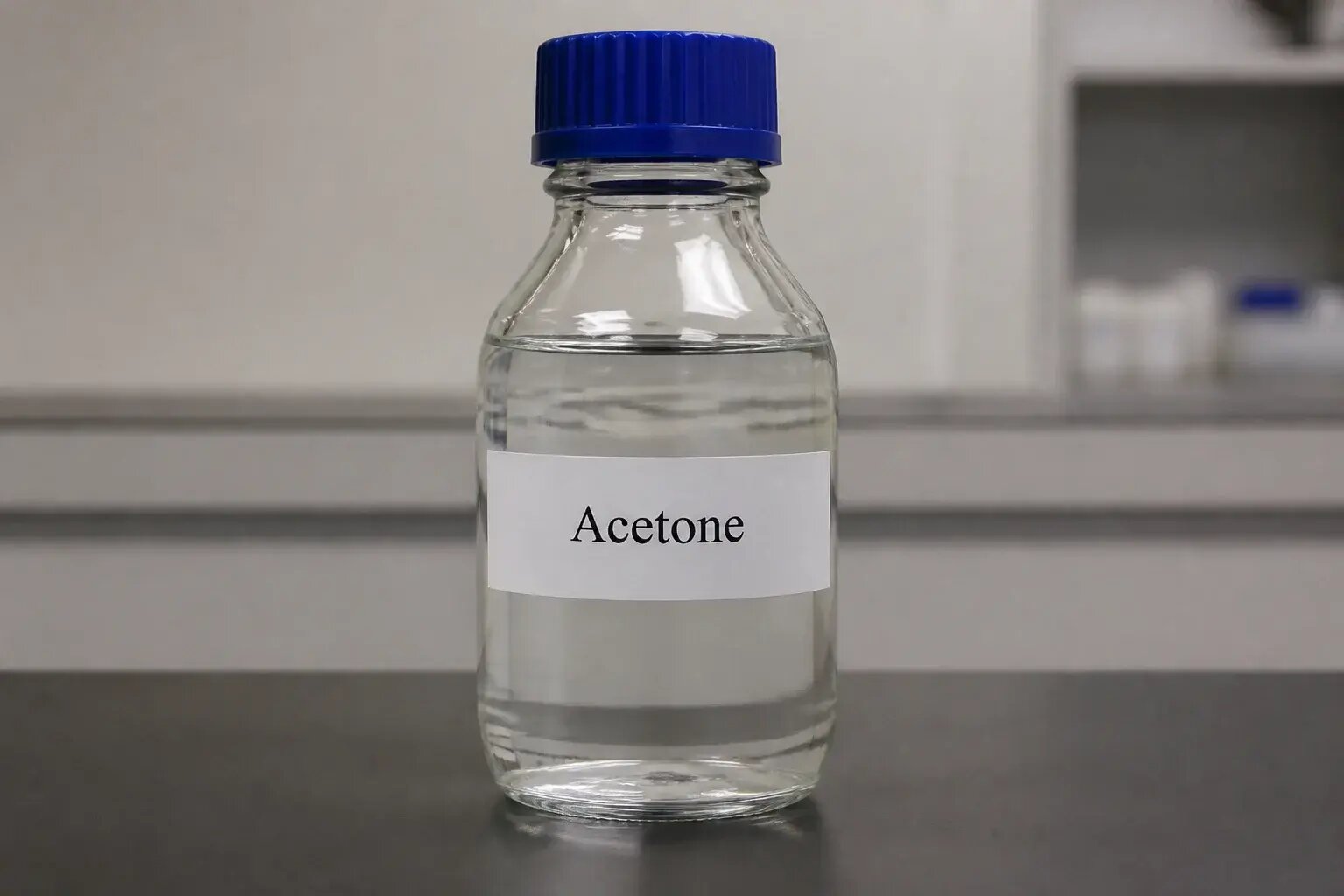
Supplied as a Class 3 flammable liquid under UN 1090, Packing Group II.
Chemical grade
General solvent work: acrylic polymers and sheet, paints and varnishes, sealants, polycarbonate systems, computer housings and screens.
Low water content
Moisture-sensitive systems: medical products and cosmetic formulations.
Food sector grade
Sheet and film applications with food-sector requirements.
Pharma grade
Pharmaceutical processing where monograph compliance and change control matter.
Specifications
Specifications & Properties
Typical values for INEOS acetone against the methods buyers actually audit. Final limits are the ones printed on the batch COA.
Typical values — not to be construed as specifications
| Property | Typical value | Method / basis |
|---|---|---|
| Chemical name / synonyms | Acetone; 2-propanone; propan-2-one; dimethyl ketone | IUPAC / CAS |
| CAS number | 67-64-1 | — |
| EC number | 200-662-2 | EINECS |
| Molecular formula / mass | C₃H₆O (CH₃COCH₃) / 58.08 g/mol | — |
| Appearance | Clear, colourless, volatile liquid, characteristic odour | Visual |
| Assay (purity) | 99.9% (INEOS standard grade); ≥99.5 wt% minimum | ASTM D329 |
| Water content | ≤0.5 wt% (technical); ≤0.20% m/m (low-water / pharma specification) | ASTM E203 / Karl Fischer |
| Relative density, 20/20 °C | 0.7910–0.7930 (0.79 g/cm³ at 20 °C) | ASTM D4052 |
| Distillation range | Within 1.0 °C, including 56.1 °C | ASTM D1078 |
| Boiling point | 56 °C at 760 mmHg | — |
| Freezing / melting point | −95 °C | — |
| Flash point | −17 °C, closed cup | ASTM D56 / D93 |
| Autoignition temperature | 465 °C | ASTM E659 |
| Vapour pressure | ≈24.5 kPa at 20 °C | — |
| Refractive index, n²⁰D | 1.359 | — |
| Dynamic viscosity | ≈0.31–0.32 mPa·s at 20–25 °C | — |
| Solubility | Miscible with water, alcohols, ethers, most polar organics | — |
| Acidity (as acetic acid) | ≤0.002 wt% | ASTM D1613 |
| Non-volatile residue | ≤5 mg/100 mL | ASTM D1353 |
| Colour | ≤5 Pt-Co (APHA) | ASTM D1209 |
| Permanganate time | ≥30 min at 25 °C | ASTM D1363 |
| Transport classification | UN 1090, Class 3, Packing Group II | UN Model Regulations |
| Typical values, not for specification. Property limits and test methods are confirmed on the certificate of analysis issued for each batch. | ||
Applications
Key Applications
Where the grade decision usually starts.
Coatings, paints and printing inks
Fast, residue-free evaporation and strong solvency for acrylic, nitrocellulose and polyurethane systems; low viscosity at 20–25 °C keeps handling simple.
Chemical gradeAdhesives and sealants
Dissolves the resin base and leaves the bond line clean; controlled water limits protect moisture-sensitive formulations.
Low water contentBisphenol A and polycarbonate chains
High-volume intermediate duty where consistent purity and large bulk logistics matter more than any single additive.
Chemical gradeMMA, MIBK and isophorone
Acetone as the upstream carbon source for acrylic monomers and ketone solvents.
Chemical gradePharmaceutical and cosmetic processing
Extraction, cleaning and formulation work on low-water and pharma grades, with monograph compliance and residual-solvent declarations.
Pharma gradeSurface preparation and equipment cleaning
Degreasing, mould cleaning, glassware and tool cleaning before coating, bonding or filling.
Chemical gradeVOC status differs by jurisdiction — acetone is exempt from the US EPA definition of VOC, while local coating rules may still apply.
Why Us
Why Source Here
Five things buyers ask about before they sign a purchase order.
Origin you can name
Acetone from INEOS Phenol's cumene-integrated production, quoted with its grade and origin stated up front.
Grade matched to duty
Chemical, low-water, food-sector or pharma: we will say when a cheaper grade is sufficient and when it is not.
Packaging that matches volume
ISO tank for tonnage, drums and IBCs for plant-level consumption, mixed only when the booking allows it.
Documentation that arrives with the goods
Batch COA, SDS in the required language, packing list and seal numbers, not weeks later.
Answers on the technical level
Water limit, distillation range, permanganate time: the parameters that actually decide whether a lot runs in your line.
Quality & Compliance
Quality Documentation
A solvent is only as good as the paperwork that travels with it.
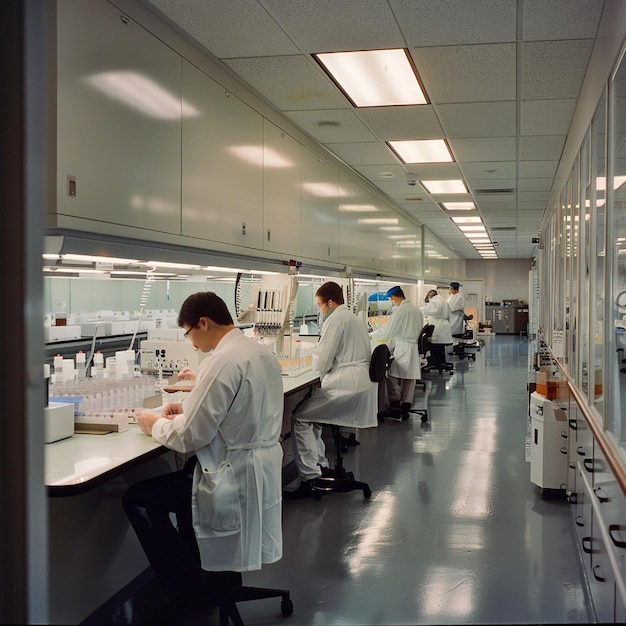
Each lot is released against the INEOS specification, with assay, water, relative density, distillation range, acidity, colour, permanganate time and non-volatile residue reported on the batch certificate of analysis. Sampling and testing follow the ASTM methods listed above; the COA states the method behind each result, so incoming inspection can match it against your own release criteria.
Before loading we check container condition, drum or tank certification for Class 3 liquids, closure torque and seal numbers, and we keep a photographic record linked to the shipment. Acetone is also a scheduled substance in several jurisdictions — listed in Table II of the 1988 UN Convention, as a List II chemical in the United States and as a category 3 drug precursor in the EU — so end-use and consignee screening is completed before a booking is confirmed. Regulatory documentation for the destination market is agreed at quotation stage.
- Batch COA with methods
- SDS in buyer's language
- Seal and container record
- End-use screening
- Destination-specific regulatory check
Packaging & Delivery
Packaging & Delivery
Three loading patterns cover most acetone orders. Figures are typical and confirmed per booking.
- Incoterms: FOB, CFR, CIF — main load ports confirmed at quotation
- Export packing list with drum / IBC numbers matching seal record
- Storage guidance: cool, dry, well ventilated, away from heat, sparks and open flame; keep containers closed and store below 25 °C
200L Steel Drum
- Net weight
- ≈160 kg
- Packaging material
- UN-certified steel drum, Class 3
- Loading & pallet
- 80 drums per 20′ FCL (≈12.8 t)
- Lead time
- Depends on grade, volume and sailing schedule
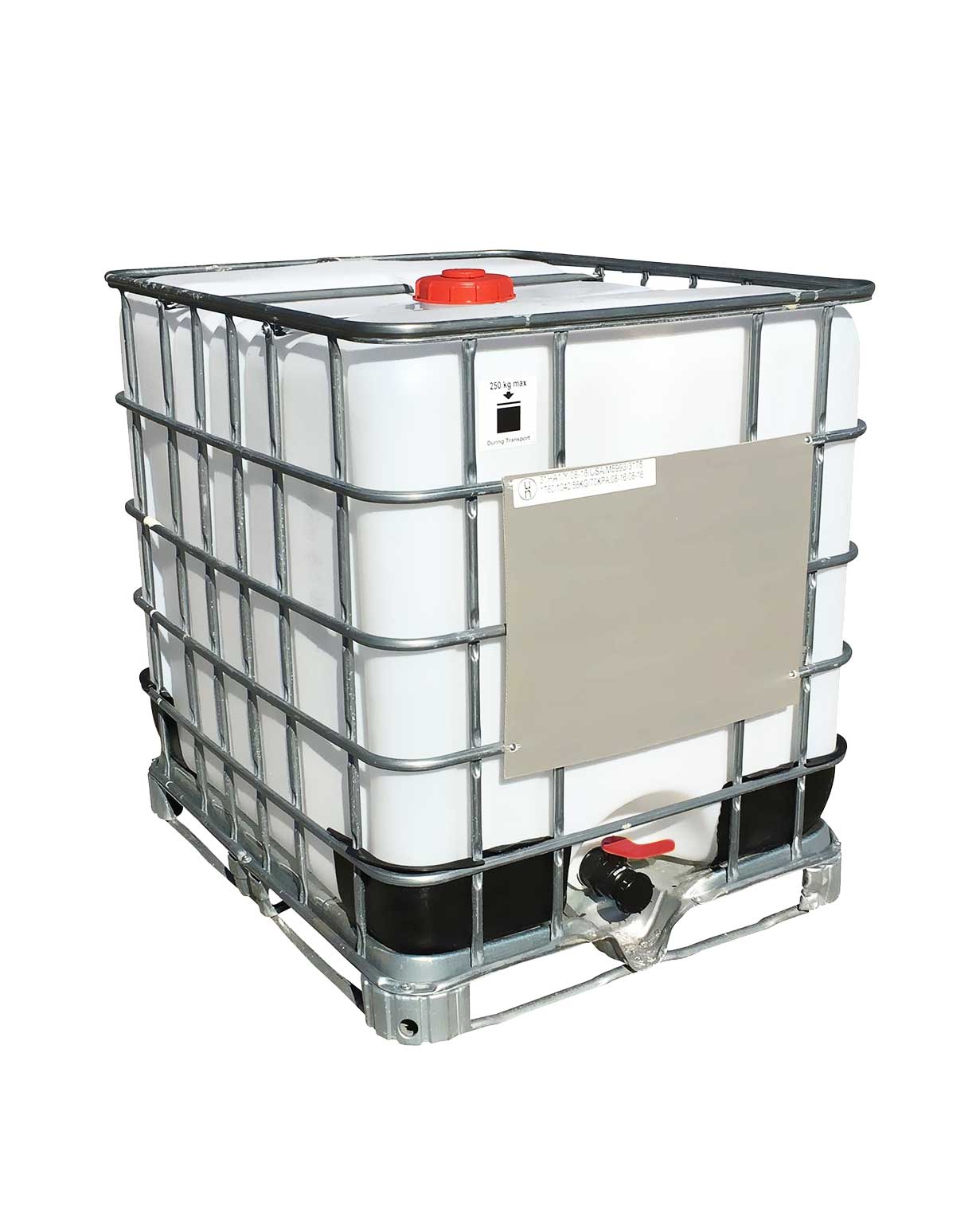
1000L IBC Tote
- Net weight
- ≈790 kg
- Packaging material
- Composite IBC with steel cage
- Loading & pallet
- 18 units per 20′ FCL
- Lead time
- Depends on grade, volume and sailing schedule
Bulk ISO Tank
- Net weight
- ≈20 t
- Packaging material
- ISO tank container
- Loading & pallet
- 1 unit per shipment
- Lead time
- Depends on grade, volume and sailing schedule
FAQ
Common Questions

QWhich acetone grade should I specify?
Start from water sensitivity and end-use regulation. Chemical grade covers general solvent work; low water content is for moisture-sensitive medical and cosmetic systems; food sector grade for sheet and film; pharma grade where the monograph and change control apply.
QWhat purity and water limits can you confirm?
INEOS standard grade is 99.9% purity without water; ASTM D329 sets a technical minimum of 99.5 wt% assay with water ≤0.5 wt%, and low-water / pharma specifications tighten water to about 0.20% m/m. Exact limits are those on the batch COA.
QWhat is the minimum order?
One 20′ FCL of drums or IBCs is the usual commercial starting point; ISO tank volumes are quoted per unit. Smaller trial lots can be discussed against the sailing schedule.
QHow is acetone shipped and classified?
As UN 1090, Class 3, Packing Group II — in UN-certified drums, IBCs or ISO tanks, with dangerous goods documentation prepared per the routing.
QDo you provide COA and SDS?
Yes — a batch certificate of analysis and an SDS accompany each shipment, and the SDS language follows the destination market.
QIs acetone a controlled chemical?
In several markets it is scheduled: Table II of the 1988 UN Convention, a List II chemical in the US, a category 3 drug precursor in the EU. Consignee and end-use details are requested before shipment.
Contact
Request a Quotation
Send grade, volume, packing and destination port — you get a quotation with the specification and shipping terms attached.


James Jiang
Sales manager
Email Your RequirementSpecifications, packing and shipping terms — answered within one working day.

James Jiang — Scan to WhatsApp
